Five things to decide before the elf arrives
- The name. Let the children choose on the first morning. A name they picked is a name they remember.
- The one rule. Most families say look, do not touch. If little hands will not manage that, say the elf loves a gentle stroke on the hat.
- Where it comes from. One line is enough: the elf flies home each night and is back before breakfast.
- Who moves it. Agree it between the grown-ups and set a phone reminder for after bedtime.
- How big you are going. A small elf every night beats a grand one that runs out of steam by the 9th.
Two minutes, done before you go to bed
- Sitting in the fruit bowl wearing a satsuma-peel hat.
- Hanging from the lampshade by a bit of tinsel.
- Reading a picture book, open at their favourite page.
- Tucked into the cereal box with a spoon ready.
- Hiding in the Christmas tree, just a face showing.
- Sitting on the bathroom tap with the toothbrushes lined up in a row.
Five minutes
- A snow angel in a sprinkle of flour on the worktop. Wipe it up together in the morning.
- A note in tiny writing: a joke, a thank you for tidying up, a clue to where the elf is.
- Marshmallow bath in a mug of cocoa, elf perched on the rim.
- A toy car race set up on the hall floor, elf in the lead.
- Every shoe in the house lined up in a queue to see Santa.
A weekend job
- A zip wire across the room on a bit of string.
- The elf has wrapped the Christmas tree in toilet roll.
- The elf has brought a kit: a gingerbread house, a small craft, a new Christmas book to read together.
A calm elf for a calm house
Not every family wants mischief, and not every child likes it. A kind elf works just as well:
- The elf is found reading, drawing or doing a puzzle, and leaves it out for the children.
- The elf leaves one small kind thing to do today: a drawing for a grandparent, a tin for the food bank.
- The elf stays in one spot but changes what it holds: a different book, a different tiny note.
A plan for the whole month
Twenty-four nights is a lot of ideas. Four short chapters are easier to keep going:
- 1 to 7 December, settling in. The elf explores the house and does everyday things: breakfast, teeth, a ride in a slipper.
- 8 to 14, notes and games. Tiny letters, a treasure hunt with three clues, a joke a day. This is the week they start writing back.
- 15 to 21, kind things. The elf suggests one small job a day: a card for a neighbour, a toy for the charity bag, feeding the birds.
- 22 to 24, the countdown. The elf helps get ready: holding the sellotape, guarding the carrots, then the goodbye.

Bright Eyed Kid
A storybook where they star on every page
Written from scratch around your child, with the people and things they love.
The morning you forgot to move it
It happens in every house. Have one of these ready:
- The elf liked that spot so much it asked to stay another day.
- It was too windy to fly last night.
- The elf is playing statues, and whoever spots it move first wins.
- A note, written fast in tiny letters: "Shh. Resting. Big night tomorrow."
When they ask if the elf is real
- Ask what they think first. Often they want to keep believing and only need permission.
- Older children can join the team. An eight or nine year old who has worked it out makes a brilliant elf helper for a younger brother or sister.
- Keep the game either way. Plenty of ten year olds know exactly who moves the elf and still race downstairs to find it.
By age
- Ages 3 to 5: keep it simple and visible. Hiding games and the elf doing everyday things (eating, brushing teeth, reading) land best.
- Ages 6 to 8: notes and clues. They will write back, so be ready to answer.
- Ages 9 to 10: jokes, little challenges and letting them help set it up for a younger brother or sister.
The arrival and the goodbye
- Arrival letter: who the elf is, its name (or let them choose), the one rule (look, do not touch), and that it flies home each night to report.
- Last night: the elf leaves a goodbye note and one small present to open on Christmas Eve. New pyjamas or a book to read that night are the classics.
The elf's last gift: a story where they star
The elf goes home on Christmas Eve. A book is the part that stays. A Bright Eyed Kid book is written from scratch around your child, with them starring on every page, so the elf's last present can be the story of their own December.
- Their month, in a story. Add your own story idea, such as the night your elf needed their help, and the book is written around it.
- The whole family inside. Up to five more people can have a part, each drawn from a photo: a brother or sister, a grandparent, a best friend.
- Drawn to look like them. Add one clear photo and choose from four picture styles.
- Right for their age. The writing changes for every age from 3 to 10.
- No surprises. Read a free story outline before you pay, then change any words or pictures until it feels right.
A hardback arrives 6 to 8 days after you sign the book off, so start it early in December and leave it by the elf on the last night. A digital book is usually ready within the hour and reads well on a tablet at bedtime. We have made hundreds of books and spent hundreds of hours testing them.
What it costs
A digital book starts at £8.49 and a printed hardback at £29.99, plus £2.95 delivery.
Make a book they will ask for every night
- A new story, written from scratch around them
- Their family, pets and favourite things inside
- Read a free story outline before you pay
- Change any words or pictures until it feels right
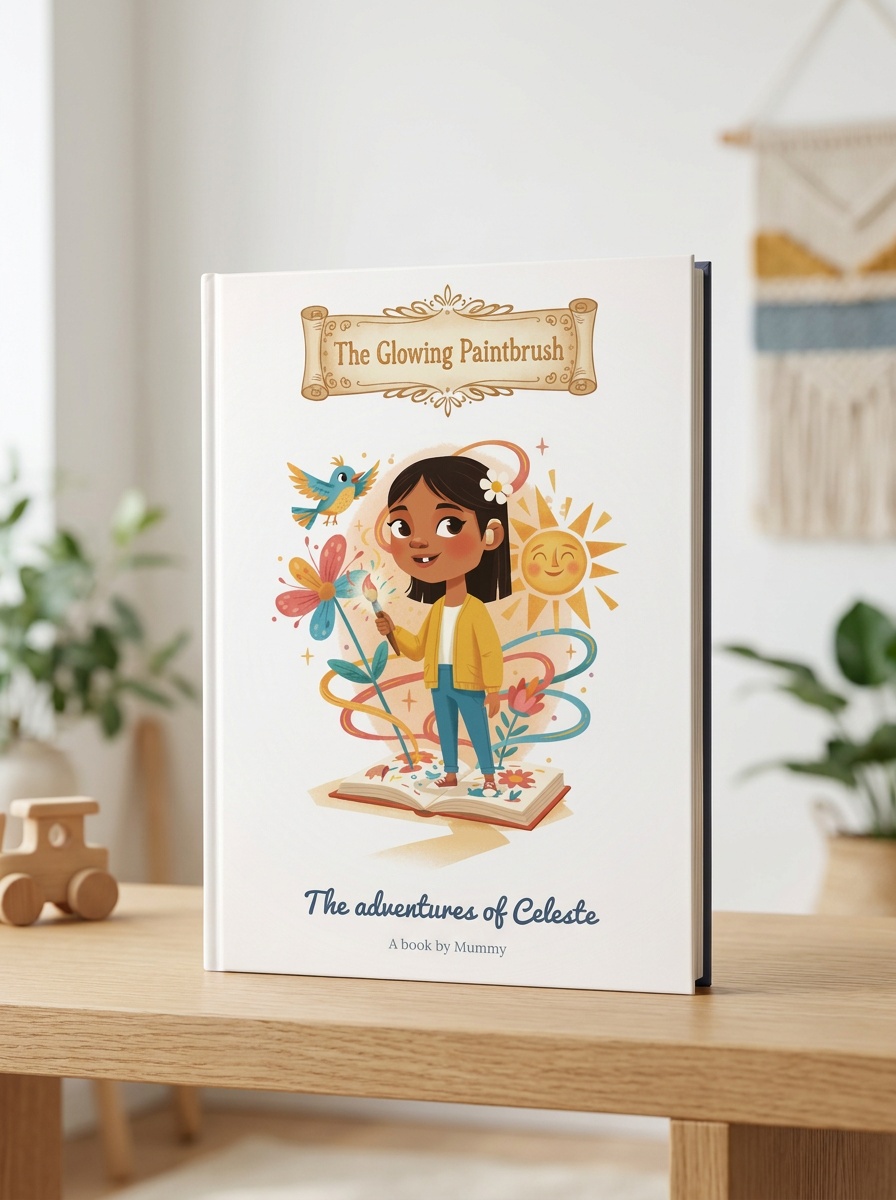
32 pages · digital £8.49 · hardback £29.99
An example book. Every title, cover and story is made for one child.
Questions parents ask
When does the Elf on the Shelf arrive?
Most UK families start on 1 December and the elf goes home on Christmas Eve. Some arrive at the end of November with the advent calendar.
What are easy Elf on the Shelf ideas?
Sitting in the fruit bowl, hiding in the tree, reading a picture book, hanging from the lampshade, a tiny note. Each takes two minutes.
What if my child does not like mischief?
Use a kind elf: found reading or drawing, leaving a small kind thing to do, or simply moving spot each night. It works just as well.
What do you say when you forget to move the elf?
The elf liked the spot and stayed, it was too windy to fly, or it is playing statues. A tiny note saying it is resting for a big night works too.
Can a Bright Eyed Kid book be about our elf?
Yes. Give your own story idea and the story is written around it, with your child starring on every page.