A day with no schedule
Boxing Day is 26 December, a bank holiday across the UK. The name is usually traced to the Christmas boxes once given to servants and tradespeople, and in many churches it is also St Stephen's Day. For most families now it is simply the day after: quieter, slower and full of leftovers.
Children often find it hard. Christmas Day is a huge build-up, and the next morning can bring a wobble: tiredness, too much sugar and a sense that the best bit is over. A loose plan, with time outside and time to play properly with new presents, helps a lot.
The morning: time with new presents
- One present each, properly. Christmas Day is for opening; Boxing Day is for playing. Pick one new present each and really use it, instructions and all.
- Build the big kit together. The construction set or the marble run that got opened and put aside.
- Read a new book from the pile right through, in pyjamas, with toast.
- Batteries first. If you can, sort batteries, chargers and screwdrivers the night before.
- A new-game morning: try out the new board game while everyone is fresh enough to learn the rules.
Get outside
Even an hour in the cold air resets everyone. It does not have to be far.
- A family walk wearing the new hat, scarf or wellies.
- Take the new bike, scooter or ball to the park while it is quiet.
- A Boxing Day nature hunt: everyone looks for five things, such as a red berry, a round stone, a feather, a holly leaf and something that makes a noise.
- Walk to see the lights on another street, as it gets dark.
- Feed the ducks with oats or peas rather than bread.
If you are planning a day out, check opening hours carefully. Some attractions open on Boxing Day and many do not, and public transport often runs a reduced service or none at all.
Lunch from leftovers
- A carpet picnic. Lay a cloth on the living room floor and let the children choose what goes on the plates.
- Build-your-own sandwiches from cold meat, cheese, stuffing and cranberry sauce.
- A leftovers cook-off: one grown-up and one child each make something from what is left, and the family judges.
- Bubble and squeak from the vegetables, with children mashing and shaping.
An afternoon project
- Thank-you letters. Younger children draw a picture of the present and add their name; older ones write a few lines about what they will do with it. Doing them on Boxing Day, while the gifts are new, makes them warmer and easier.
- Box building. Turn the empty boxes into a castle, a rocket, a car or a shop. Big boxes with flaps work best.
- A Christmas memory page: stick in the cracker joke, a ticket, a bit of wrapping paper and a drawing of the day.
- A board game tournament, with a paper crown for the winner. Our Christmas quiz works too, especially with visitors.
- A small craft: paper snowflakes for the window or a decoration made from the wrapping. Our Christmas crafts guide has ideas.
If you have visitors
- Give each child a job: taking coats, handing round crisps, being in charge of the music.
- Let them show visitors one present each, rather than all of them.
- Set up a quiet corner with books and a blanket for anyone who needs a break.
- Grandparents are often the best people for a slow card game or a long story.

Bright Eyed Kid
A storybook where they star on every page
Written from scratch around your child, with the people and things they love.
Ideas by age
- Ages 3 to 5: new toys on the floor, a short walk with puddles, the carpet picnic and an early night. Keep it very simple: they are usually the most tired.
- Ages 6 to 8: building the big kit, the nature hunt, box building and drawing thank-you pictures.
- Ages 9 to 10: the leftovers cook-off, running the quiz, writing proper thank-you letters, and a later film night.
A calm evening
- A family film with the leftover chocolates. Our Christmas films guide has ideas by age.
- Bath, pyjamas and a long bedtime story.
- Ask each child their favourite moment of Christmas and write it down for next year.
- Talk about what comes next: the days until New Year, and our New Year activities to look forward to.
Boxing Day on a budget
The best Boxing Day activities are already in the house: new presents, leftovers, boxes and the local park. A walk, a picnic on the carpet and a game tournament cost nothing extra.
Keep it calm on purpose
- Do not plan too much. One outing and one project is plenty.
- Expect a wobble and allow for it: early bedtimes, more water, fewer sweets.
- Rotate presents. Put some away to bring out on a grey day in January.
A book they read again and again
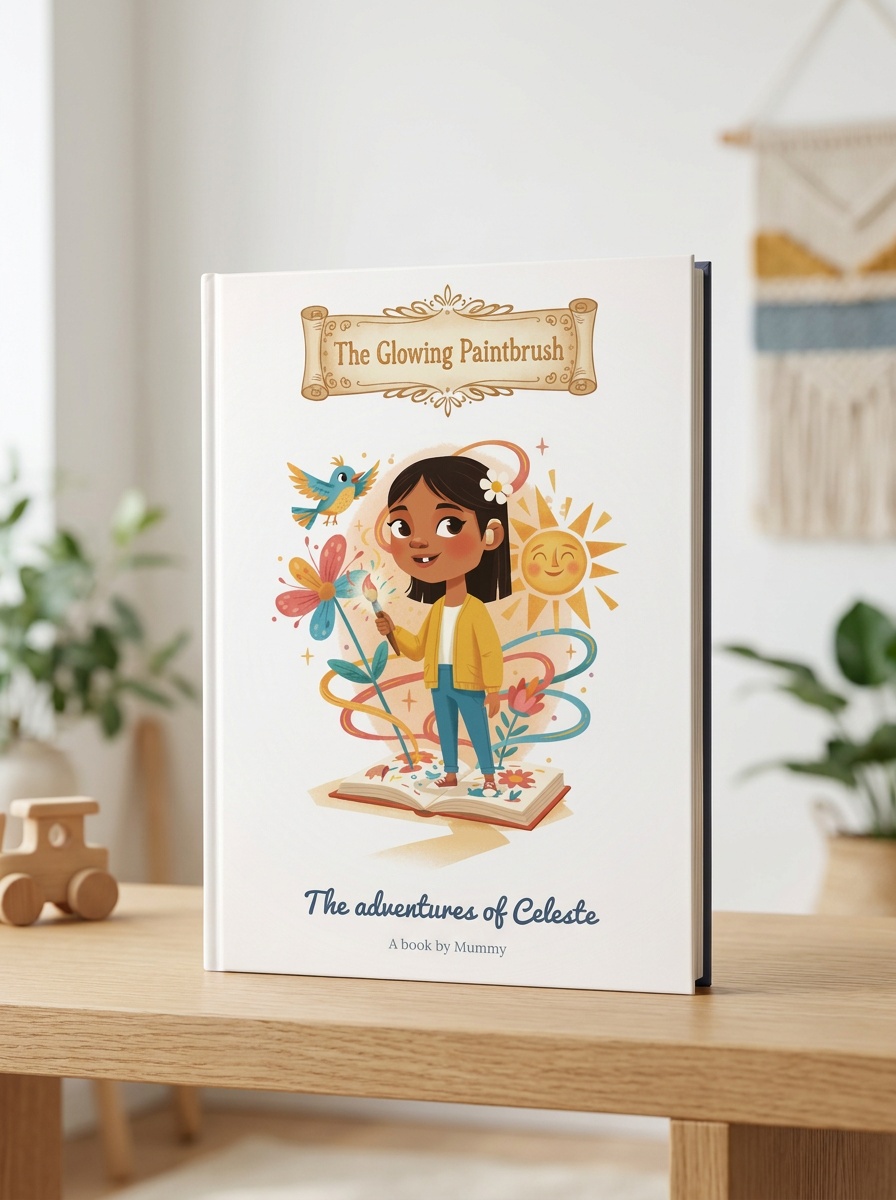
Boxing Day is often the first day children sit and read their new books properly. A book where they star is the one they come back to all through the holidays. A Bright Eyed Kid book is written around your child, with them on every page looking like themselves, and up to five co-stars, such as a grandparent who visited or the cousin who stayed over.
Add your own story idea, perhaps the year the empty boxes became a rocket, and the book is written around it. If you bought a digital book, you can add a printed hardback later and pay only the difference, which makes it a good way to keep a Christmas memory on the shelf.
What it costs
A digital book is £8.49 and a printed hardback is £29.99, plus £2.95 delivery. Every book is 32 pages.
Make a book they will ask for every night
- A new story, written from scratch around them
- Their family, pets and favourite things inside
- Read a free story outline before you pay
- Change any words or pictures until it feels right
32 pages · digital £8.49 · hardback £29.99
An example book. Every title, cover and story is made for one child.
Questions parents ask
What can families do with kids on Boxing Day?
Spend the morning with new presents, go for a walk, make lunch from leftovers, write thank-you letters and finish with a film and a story.
Why is it called Boxing Day?
The name is usually traced to the Christmas boxes once given to servants and tradespeople on the day after Christmas. It is also St Stephen’s Day in many churches.
Are places open on Boxing Day?
Some attractions, cinemas and shops are, many are not, and public transport is often limited. Check opening times and travel before you plan a day out.
How do young children write thank-you letters?
They draw a picture of the present and add their name. Older children can write a few lines about what they like doing with it.
Why are kids grumpy the day after Christmas?
Tiredness, rich food and the end of a big build-up. A slow morning, fresh air and an early night usually help.
Can a Bright Eyed Kid book be about our family Christmas?
Yes. Add your story idea and the book is written around it, with your child starring and family members as co-stars.