Dress for it, and winter opens up
Most winter days in the UK are cold, grey and damp rather than snowy, and children cope with that far better than adults expect, as long as they are dressed for it. Layers, waterproof trousers, wellies with thick socks, a hat and proper gloves turn a miserable walk into an adventure. Keep a spare set of gloves in your pocket, because one pair will always end up soaked. A flask of warm squash or hot chocolate makes the walk home much shorter.
Then plan around the light. In December it can be dark before 4pm, so outdoor time works best in the morning or straight after school.
Frosty mornings
- Hunt for frost patterns on leaves, car roofs and spider webs, and look at them with a magnifying glass.
- Leave a tray of water outside overnight with leaves, berries and a loop of string frozen in. Next morning, hang up your ice picture.
- Look for animal tracks in frost or mud: birds, cats, foxes. Photograph them and look them up together at home.
- Blow bubbles on a really cold day and watch for them freezing.
- Breathe "dragon smoke" on the walk to school.
The hour before dark
- A torch walk round the block or the park as the street lights come on.
- Count lit windows, or the first stars, on the way home from school.
- Fill a bird feeder together and keep a list of who visits. Winter is a good time for garden birds, and many families join in with garden bird counts in late January.
- Watch the sunset from the same spot each week and notice it moving along the skyline.
- Spot the Moon in the afternoon sky, and draw its shape every few days to see it change.
Weekend days out
- A muddy woodland walk with a list to find: a feather, a pine cone, something red, a hole where an animal lives.
- A beach in winter, which is often empty and wild. Look for shells and driftwood after a storm.
- Feeding ducks with peas, oats or sweetcorn rather than bread.
- A free museum. Many big UK museums are free to enter, and they are warm, dry and full of things to talk about.
- An outdoor ice rink if one pops up near you over the holidays.
Long evenings in
- Build a den of blankets and read inside it by torchlight.
- Shadow puppets on the wall with a torch and your hands, then make card puppets on sticks.
- A jigsaw left out on a tray all week, done a bit at a time.
- Make hot chocolate and tell a story together, one line each.
- A family games night with a different person choosing the game each week.
- Bake something warm together. Our guide to baking with kids has easy starters.

Bright Eyed Kid
A storybook where they star on every page
Written from scratch around your child, with the people and things they love.
Winter crafts
- Paper snowflakes: fold a square into a triangle three times, snip shapes along the edges, and unfold.
- Pine cone bird feeders: string, a pine cone, lard or peanut butter, and bird seed.
- Salt dough decorations, baked low and slow, then painted.
- A winter window: tape white tissue paper snowflakes and stars to the glass.
The quiet weeks after Christmas
January is long, and the new toys lose their shine quickly. A little structure helps.
- Learn to play one of the new games properly, rules and all.
- Start a winter reading list and tick books off on the fridge.
- Write thank-you letters with a drawing on each.
- Plan one small trip out for each weekend in January, and let the children choose some of them.
- Plant something indoors: cress, an avocado stone in water or hyacinth bulbs in a jar.
For more January ideas see New Year activities for kids, and for wet days, rainy day activities.
If it does snow
- Make a snowman and a snow animal of their choosing.
- Catch snowflakes on dark fabric or a black glove and look closely before they melt.
- Make snow angels, then a whole snow family.
- Follow your own footprints back home, and see whose tracks have crossed them.
- Come in for a warm bath, dry clothes and a story.
Activities by age
- Ages 3 to 5: puddle jumping, ice pictures, feeding the birds, short torch walks.
- Ages 6 to 8: animal tracking, bird lists, den building, paper snowflakes with tricky patterns.
- Ages 9 to 10: stargazing with a star chart, a winter nature journal, cooking a whole meal, planning a family day out.
Why a winter story where they star fits the season
Winter evenings are the best time of year for stories. The curtains are closed by teatime and everyone is in one room. A book where your child stars turns those evenings into something they look forward to, and it can grow out of the very things you did that week: the frosty walk, the fox prints, the snowman that lasted three days.
A Bright Eyed Kid book is written around your child, who looks like themselves on every page. Add your own story idea, such as the torch walk that led somewhere magical, and up to five co-stars can join in, from a grandparent to the family dog, each with a photo. The writing is set for their age, from 3 to 10, and digital books are usually ready within the hour.
What it costs

A digital book is £8.49 and a printed hardback is £29.99, plus £2.95 delivery. Every book is 32 pages.
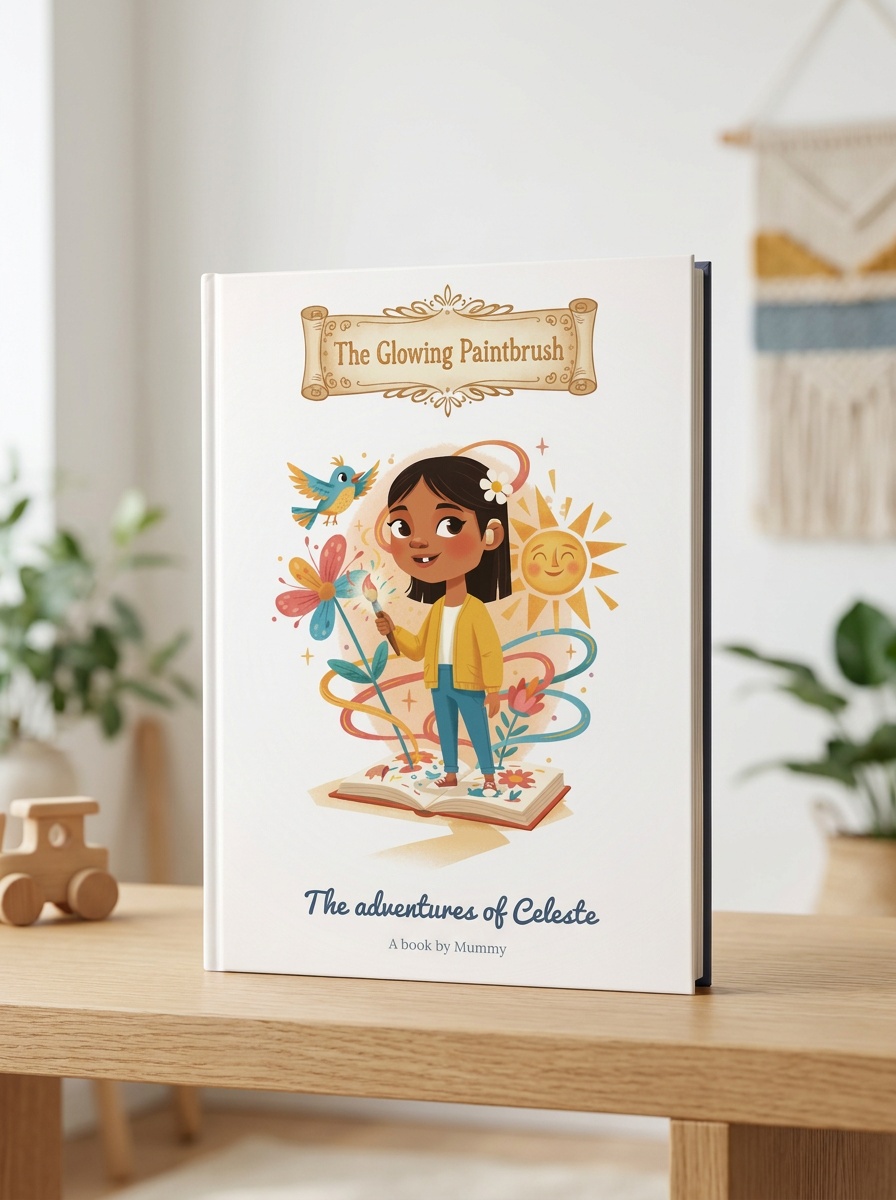
Make a book they will ask for every night
- A new story, written from scratch around them
- Their family, pets and favourite things inside
- Read a free story outline before you pay
- Change any words or pictures until it feels right
32 pages · digital £8.49 · hardback £29.99
An example book. Every title, cover and story is made for one child.
Questions parents ask
What can kids do on dark winter evenings?
Build a blanket den and read inside by torchlight, make shadow puppets, keep a jigsaw going all week, bake together, or tell a story one line each.
What winter activities can kids do outside without snow?
Frost hunts, ice pictures made in a tray overnight, looking for animal tracks, a torch walk, a woodland walk with a list of things to find, and filling a bird feeder.
How do you make an ice picture?
Put leaves, berries and a loop of string in a tray of water, leave it outside on a frosty night, and turn it out in the morning to hang up.
How do I keep kids warm playing outside in winter?
Layers rather than one thick coat, waterproof trousers, wellies with thick socks, a hat and a spare pair of gloves. Come in before they get really cold.
Can a Bright Eyed Kid book have a winter story?
Yes. Add your own story idea and the book is written around it, with your child starring on every page.