Are they ready?
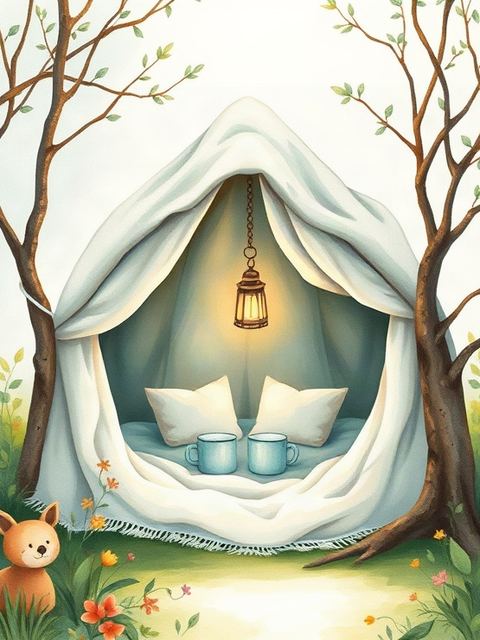
There is no right age. Most children manage a first sleepover somewhere between six and eight, often after a few late evenings at a friend's house first. Signs they are ready:
- They ask for it, rather than you suggesting it.
- They can get ready for bed without you: teeth, pyjamas, toilet.
- They sleep through at grandparents' or other family.
- They can say "I want to go home" to an adult they know.
A gentle first step is a "sleep-under": the friend comes for tea, films and pyjamas, and goes home at bedtime. Everyone gets the fun with none of the 2am worries.
Before the night: a short list for the host
- Keep it small. One or two guests for a first sleepover, three or four once they are old hands. Odd numbers can leave someone out of the whispering.
- Ask each parent four things. Allergies and food, anything that helps them sleep (a night light, a teddy, the door open), a phone number that will be answered all night, and pick-up time.
- Agree the rules with your own child first. Lights-out time, where phones and tablets sleep, which rooms are out of bounds.
- Choose the sleeping spot. Everyone on the floor in one room feels like an adventure, and it is fairer than one guest in the bed.
The evening, hour by hour
Plan from loud to calm, the same as a party, and work back from lights out. A sample evening for a 7pm arrival:
- 7:00 Arrive and run around. Bags in the bedroom, then garden, den or a quick game while they settle. Let the excitement out early.
- 7:30 Make tea together. Food they build themselves is half the fun (ideas below).
- 8:15 One big activity. A den, a craft or a game. One good thing beats five rushed ones.
- 8:45 Pyjamas and teeth. Do it now, while they are still co-operative.
- 9:00 Film or torch time. Sleeping bags out, lights low, popcorn.
- 9:45 Story and lights out. Later for 9 and 10 year olds, earlier for a first sleepover at six or seven.
Food they make themselves
- Pizza bar. Bought bases or wraps, a spoon of sauce, bowls of cheese, ham, peppers and sweetcorn. Name each one with a cocktail-stick flag.
- Build-your-own wraps or tacos. Easy for fussy eaters, because they choose what goes in.
- Popcorn mix. Plain popcorn, then everyone shakes in their own extras in a paper bag.
- Decorate a biscuit. Plain biscuits, a tube of icing, sprinkles. Done in ten minutes.
- Breakfast. Pancakes they top themselves, or a cereal "buffet" of mini boxes. Keep it simple: they will be tired.
Check every guest's allergies before you shop, and keep the packets in case a parent asks.
Activities by age
- 6 to 7: build and play. A blanket den with fairy lights, a torch treasure hunt with clues you hide before they arrive, shadow puppets on the wall, a teddy bears' sleepover where the toys get beds too.
- 7 to 8: make something to take home. Decorate a pillowcase with fabric pens, make friendship bracelets, draw a joint comic strip where each child does one box, hold a talent show in pyjamas.
- 9 to 10: give them the controls. Let them choose the film from a short list you agree, plan a "midnight feast" for 9:30pm, play card games or Would You Rather, or invent a murder mystery between them. They want to feel grown up, with you nearby.

Bright Eyed Kid
A storybook where they star on every page
Written from scratch around your child, with the people and things they love.
Themes without buying a kit
- Camp-out. A tent in the garden or the living room, torches, hot chocolate, a ghost story that is not too scary.
- Cinema night. Tickets they make, a "box office" for popcorn, seats in rows of cushions.
- Spa night. Cucumber slices, a foot bath in a washing-up bowl, nail painting.
- Seasonal. A Christmas sleepover with fairy lights and a Christmas film, or a summer one with a picnic tea in the garden.
Getting to sleep
The hardest part of any sleepover is the half hour after lights out. A few things help:
- Agree the time in advance, so "lights out" is not a surprise.
- Collect screens first. Phones and tablets sleep in another room.
- End with a story. Reading aloud by torchlight settles a room faster than any rule. Pick something funny rather than scary.
- Give a whisper rule, not a silence rule: they can talk, quietly, until they fall asleep. Most do within twenty minutes.
- Look in once, calmly, rather than calling up the stairs.
If a guest is homesick
It happens to lots of children, and it is nothing to worry about. Take them somewhere quiet, give them a drink and their teddy, and talk about something else for ten minutes. If they still want to go, ring their parent: an easy, kind pick-up means they will want to try again. Tell their parent in the morning whatever happens, so there are no surprises.
The morning
- Expect early waking and tired children. Plan breakfast and one quiet thing, such as drawing or a cartoon.
- Have bags packed before parents arrive, with every sock and toothbrush counted.
- Set a pick-up time no more than an hour after breakfast. Tired children and long mornings do not mix.
A story where the friends star too
A sleepover is often a birthday treat, or the first big night with a best friend. A Bright Eyed Kid book can turn that friendship into a story to read together at lights out.
- Written around your child. You answer three short questions about them, and can add a story idea of your own, such as a camp-out that turns into an adventure.
- The friends are in it. Up to five co-stars, each with a photo and a name, and you choose how much of the story each one is in. Ask each friend's parent before using a photo.
- Drawn so they recognise themselves, in one of four picture styles: Playful, Standard, Quirky or Classic.
- Right for their age. The writing changes for every age from 3 to 10.
- You check it first. Read a free story outline before you pay, then change any words or pictures until it feels right.
More for the night in kids party games, a bedtime routine for kids and rainy day activities for kids.
What it costs

A digital book is £8.49 and a printed hardback is £29.99, plus £2.95 delivery. Every book is 32 pages.

Make a book they will ask for every night
- A new story, written from scratch around them
- Their family, pets and favourite things inside
- Read a free story outline before you pay
- Change any words or pictures until it feels right
32 pages · digital £8.49 · hardback £29.99
An example book. Every title, cover and story is made for one child.
Questions parents ask
What age are kids ready for a sleepover?
Most children manage a first sleepover between six and eight, but there is no right age. A good sign is that they ask for it and can get ready for bed without you. A sleep-under, where the friend goes home at bedtime, is a gentle first step.
How many children should come to a sleepover?
One or two for a first sleepover, three or four once they are used to it. Small groups settle sooner and leave nobody out.
What time should lights out be at a sleepover?
About 9:30 to 10pm for six to eight year olds and a little later for nine and ten year olds. Agree the time with the children before the night.
What should you do if a child gets homesick at a sleepover?
Take them somewhere quiet, give them a drink and their teddy, and talk about something else for ten minutes. If they still want to go home, ring their parent and make the pick-up easy and kind.
Can friends be in a Bright Eyed Kid book?
Yes. Up to five co-stars can be in the story, each with a photo and a name, and you choose how much of the story each one is in.