How the two levels work
- Easier questions suit ages 3 to 6. Read them aloud, accept a pointed finger or an animal noise, and give a clue if they need one.
- Harder questions suit ages 7 to 10. Ask once, give a slow count of ten, and let them write the answer down.
- Same subject, same moment. Each round ask the easier one, then the harder one, so no one sits out a whole round.
Round 1: animals
Easier
- What noise does a cow make? (Moo)
- Which animal has a very long neck? (A giraffe)
- What do caterpillars turn into? (Butterflies or moths)
- How many legs does a spider have? (Eight)
- What is a baby dog called? (A puppy)
Harder
- What is the largest animal that has ever lived? (The blue whale)
- What do you call an animal that eats only plants? (A herbivore)
- Which bird is a national symbol of New Zealand? (The kiwi)
- How many hearts does an octopus have? (Three)
- What is a group of lions called? (A pride)
Round 2: the UK
Easier
- What is the capital city of England? (London)
- What colour are most London buses? (Red)
- Who lives in Buckingham Palace? (The King)
- Is the sea around our coast salty or sweet? (Salty)
Harder
- What are the four countries of the United Kingdom? (England, Scotland, Wales and Northern Ireland)
- What is the capital of Wales? (Cardiff)
- What is the longest river in the UK? (The River Severn)
- What is the highest mountain in the UK? (Ben Nevis, in Scotland)
- Big Ben is the name of what: a tower, a bell or a clock? (The great bell inside the Elizabeth Tower)
Round 3: space
Easier
- What do we see in the sky in the day that keeps us warm? (The Sun)
- What shines in the sky at night and seems to change shape? (The Moon)
- What do astronauts travel in? (A rocket or spacecraft)
- What planet do we live on? (Earth)
Harder
- How many planets are in our solar system? (Eight)
- Which planet is closest to the Sun? (Mercury)
- Which planet is known as the red planet? (Mars)
- Who was the first person to walk on the Moon? (Neil Armstrong, in 1969)
- What is the biggest planet in our solar system? (Jupiter)
Round 4: the body
Easier
- How many fingers do you have on one hand? (Five, counting the thumb)
- What do you use to smell? (Your nose)
- What do you brush twice a day? (Your teeth)
- Which part of you goes thump-thump? (Your heart)
Harder
- What is the biggest organ of the human body? (The skin)
- What do your lungs take in from the air? (Oxygen)
- Where in the body is the smallest bone? (In the ear)
- How many teeth does an adult usually have? (32, including wisdom teeth)
Round 5: stories and books
Easier
- In the fairy tale, how many bears did Goldilocks meet? (Three)
- What did Jack climb up in the fairy tale? (A beanstalk)
- What did Cinderella leave behind at the ball? (A glass slipper)
- In The Very Hungry Caterpillar, what does the caterpillar become? (A butterfly)
Harder
- Who wrote Charlie and the Chocolate Factory? (Roald Dahl)
- What is the name of the lion in The Lion, the Witch and the Wardrobe? (Aslan)
- Which boy never grows up and lives in Neverland? (Peter Pan)
- In Alice's Adventures in Wonderland, what does Alice follow down the hole? (A white rabbit)
Bright Eyed Kid
A storybook where they star on every page
Written from scratch around your child, with the people and things they love.
Round 6: numbers
Easier
- What comes after 9? (10)
- How many wheels does a bicycle have? (Two)
- If you have 2 sweets and get 1 more, how many have you got? (Three)
- How many sides does a triangle have? (Three)
Harder
- How many days are there in a leap year? (366)
- What is half of 90? (45)
- How many minutes are there in three hours? (180)
- What is the Roman numeral for 10? (X)
More questions to borrow in fun facts for kids and riddles for kids.
Quick quiz games, no paper needed
- True or false. Read a fact; they stand up for true and sit down for false. Great for 3 to 5 year olds who cannot write yet.
- Higher or lower. "Is a giraffe taller or shorter than our house?" Guessing sizes and numbers starts good debates.
- Car quiz. Each person asks one question about something you can see out of the window.
- One question at tea. A single question at the table each night, with a running family score on the fridge.
- Picture round. Phone photos of everyday things from very close up: a kiwi fruit, a sponge, a dog's nose. Guess what it is.
- Sound round. Behind a door, make sounds: keys, pouring water, a zip, an egg whisk.
- Swap the quizmaster. A child of 7 or over asks the adults questions they have written. Being the one with the answers is half the fun.
How to write a good kids quiz question
- One right answer. "What is the biggest animal?" causes arguments; "the biggest animal that has ever lived" does not.
- Short and spoken. Read it aloud before the quiz. If you stumble, a child will too.
- From their world. Their favourite programme, last summer's trip, what the class learned this term.
- Check the answer. Look it up before asking. Children remember quiz answers for years.
- Accept close answers from the youngest: "a whale" for a blue whale is a point.
The family round
The round children remember is the one about themselves. No one outside the family can answer it, so the youngest has as much chance as anyone.
- What did I have for my birthday tea last year?
- What was the name of Grandma's first pet?
- Who in this family can touch their nose with their tongue?
- Where did we go on holiday when I was four?
- What was the first word I ever said?
Let each person write two questions about themselves. Grandparents' answers often surprise everyone. For running a big quiz night with mixed ages, see the Christmas quiz for kids.
A round from their own story
Children love questions about a book they know by heart, and even more about a book they are in. A Bright Eyed Kid book is a new story written around your child, where they star on every page. After a few readings it makes a perfect quiz round: who came along, what went wrong, how it ended.
- About them. You answer three short questions about your child and can add a story idea of your own.
- Family alongside. Up to five co-stars, each with a photo and a name, so the people at the quiz table can be in it too.
- Drawn so they recognise themselves, in one of four picture styles: Playful, Standard, Quirky or Classic.
- Right for their age. The writing changes for every age from 3 to 10.
- You check it first. Read a free story outline before you pay, then change any words or pictures until it feels right.
What it costs
A digital book is £8.49 and a printed hardback is £29.99, plus £2.95 delivery. Every book is 32 pages.
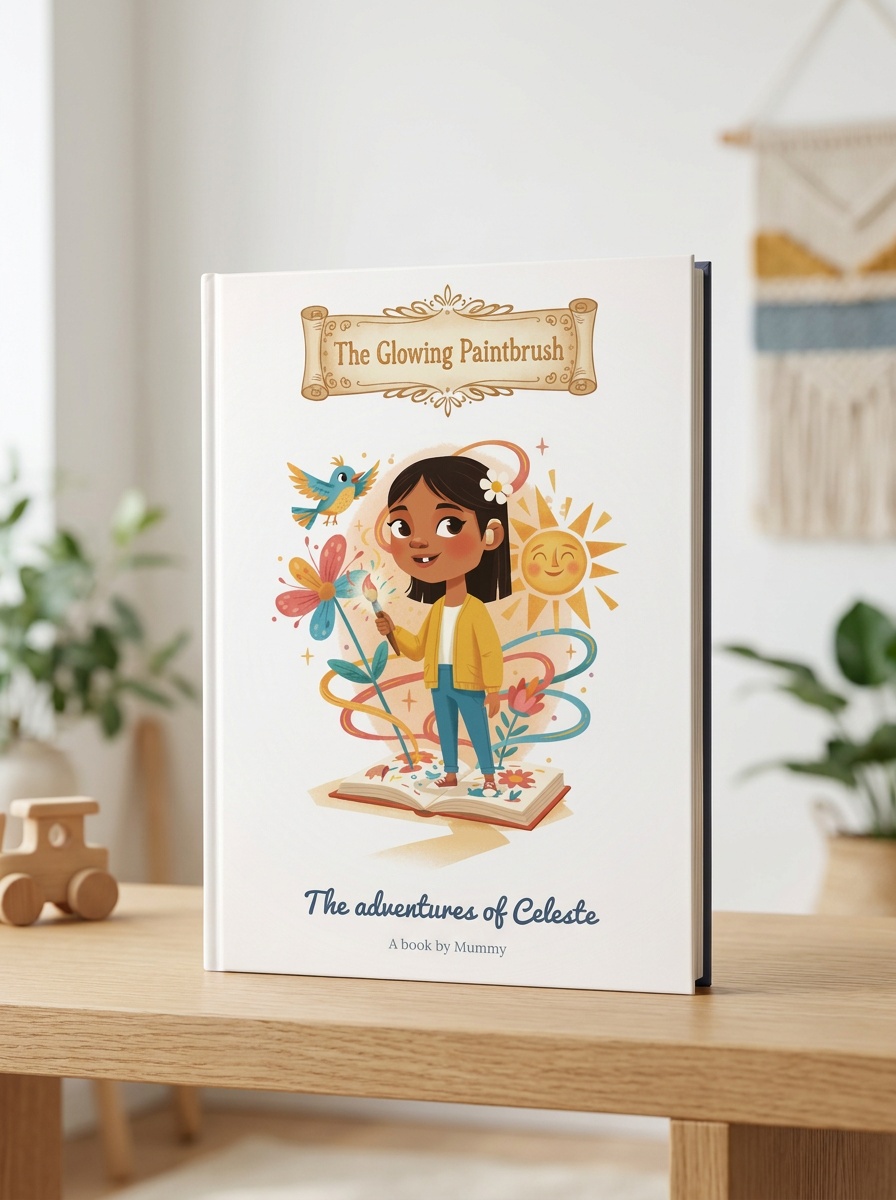
Make a book they will ask for every night
- A new story, written from scratch around them
- Their family, pets and favourite things inside
- Read a free story outline before you pay
- Change any words or pictures until it feels right
32 pages · digital £8.49 · hardback £29.99
An example book. Every title, cover and story is made for one child.
Questions parents ask
What are good quiz questions for kids?
Questions with one clear answer about things children know: animals, space, the body, the UK, stories and simple numbers. Asking an easier and a harder question on the same subject lets children of different ages play together.
What quiz questions suit a 5 year old?
Short spoken questions about animals, fairy tales and simple counting, such as how many legs a spider has. Accept pointing or close answers and give a clue when needed.
What quiz questions suit a 10 year old?
Questions that need real knowledge: the four countries of the UK, the planets, the largest organ of the body, who wrote well-known books, and quick maths like the minutes in three hours.
How do you run a quiz with children of different ages?
Ask two questions on each subject, an easier one for younger children and a harder one for older ones, and include a family round about yourselves that everyone has an equal chance at.
How do you make a family quiz round?
Each person writes two questions about themselves, such as a first pet, a holiday or a first word. No one outside the family knows the answers, so the youngest can win.