How to ask a riddle
- Read it twice. Children need to hear a riddle twice before they can think about it.
- Wait. Count to ten in your head before you help.
- Give a clue, not the answer. "It's in this room." "You used one this morning."
- Cheer the wrong answers that make sense. A good guess is thinking, and that is the point.
Ages 3 to 5: "What am I?" guessing riddles
Young children cannot yet hold a trick in their heads, so the best riddles for this age are clue games. Give the clues one at a time and let them guess after each one.
- I am yellow. I am long and curved. Monkeys love me. What am I? A banana.
- I have four legs and a waggy tail. I say woof. What am I? A dog.
- I am round and orange. I am a fruit and a colour. What am I? An orange.
- You wear me on your feet. I come in pairs. You put me on before your shoes. What am I? Socks.
- I am in the sky in the day. I am hot and bright. What am I? The sun.
- I am cold and white. I fall in winter. You can build a man out of me. What am I? Snow.
Ages 5 to 7: first trick riddles
Around five or six, children start to enjoy a word that means two things. These riddles each hide one.
- What has keys but cannot open a door? A piano.
- What has teeth but cannot bite? A comb.
- What has legs but cannot walk? A table.
- What has one eye but cannot see? A needle.
- What is full of holes but still holds water? A sponge.
- What goes up when the rain comes down? An umbrella.
Ages 7 to 8: think around the corner
- What must be broken before you can use it? An egg.
- What has lots of words but never speaks? A book.
- I am tall when I am young and short when I am old. What am I? A candle.
- What can travel around the world while staying in a corner? A stamp.
- What has a bed but never sleeps, and a mouth but never eats? A river.
- What belongs to you, but other people use it more than you do? Your name.

Bright Eyed Kid
A storybook where they star on every page
Written from scratch around your child, with the people and things they love.
Ages 9 to 10: brain teasers
Older children like riddles that catch adults out. Try these on the family at tea.
- Mary's mum has four children: April, May, June and who? Mary.
- What word is spelt wrong in every dictionary? Wrong.
- What five-letter word gets shorter when you add two letters? Short.
- What has cities but no houses, forests but no trees, and water but no fish? A map.
- What can fill a room but takes up no space? Light.
- Forwards I am heavy, backwards I am not. What am I? Ton.
Games with riddles
- A riddle treasure hunt. Each clue is a riddle whose answer is the next hiding place. "I am cold inside and full of food" sends them to the fridge; "I have four legs and you sit on me" to a chair. Five or six clues end at a small treat. It works brilliantly at a birthday party or on a rainy day.
- Riddle of the day. Write one on a sticky note on the fridge at breakfast. The answer is revealed at tea.
- A lunchbox riddle. Question on the outside of a folded note, answer inside.
- Riddle relay. Two teams, a pile of riddles, the first team to answer keeps the card. Good for mixed ages if the younger ones get the "what am I?" pile.
Write your own riddle
The "what am I?" riddle is the easiest to write, and children from about seven can do it alone:
- Pick an object in the room: a kettle, a pencil, a cushion.
- Write three true things about it that could also be true of something else. A kettle: "I sing when I get hot. I have a spout. I live in the kitchen."
- Put the vaguest clue first and the giveaway last, so the guesser has to work.
- Test it on someone. If they get it on the first clue, swap the order.
Collect the best ones in a notebook with the writer's name and age. It sits nicely beside a family joke book; see jokes for kids.
A story with a puzzle at its heart
Children who love riddles love a mystery to solve. A Bright Eyed Kid book is a new story written around your child, where they star on every page.
- About how they think. You answer three short questions about your child, so you can tell us they love puzzles and riddles, and add a story idea of your own, such as a mystery only they can crack.
- The family can help. Up to five co-stars, each with a photo and a name, so a sibling or grandparent can be in on the puzzle.
- Drawn so they recognise themselves, in one of four picture styles: Playful, Standard, Quirky or Classic.
- Right for their age. The writing changes for every age from 3 to 10.
- You check it first. Read a free story outline before you pay, then change any words or pictures until it feels right.
More fun in jokes for kids, a Christmas quiz for kids and kids party games.
What it costs
A digital book is £8.49 and a printed hardback is £29.99, plus £2.95 delivery. Every book is 32 pages.
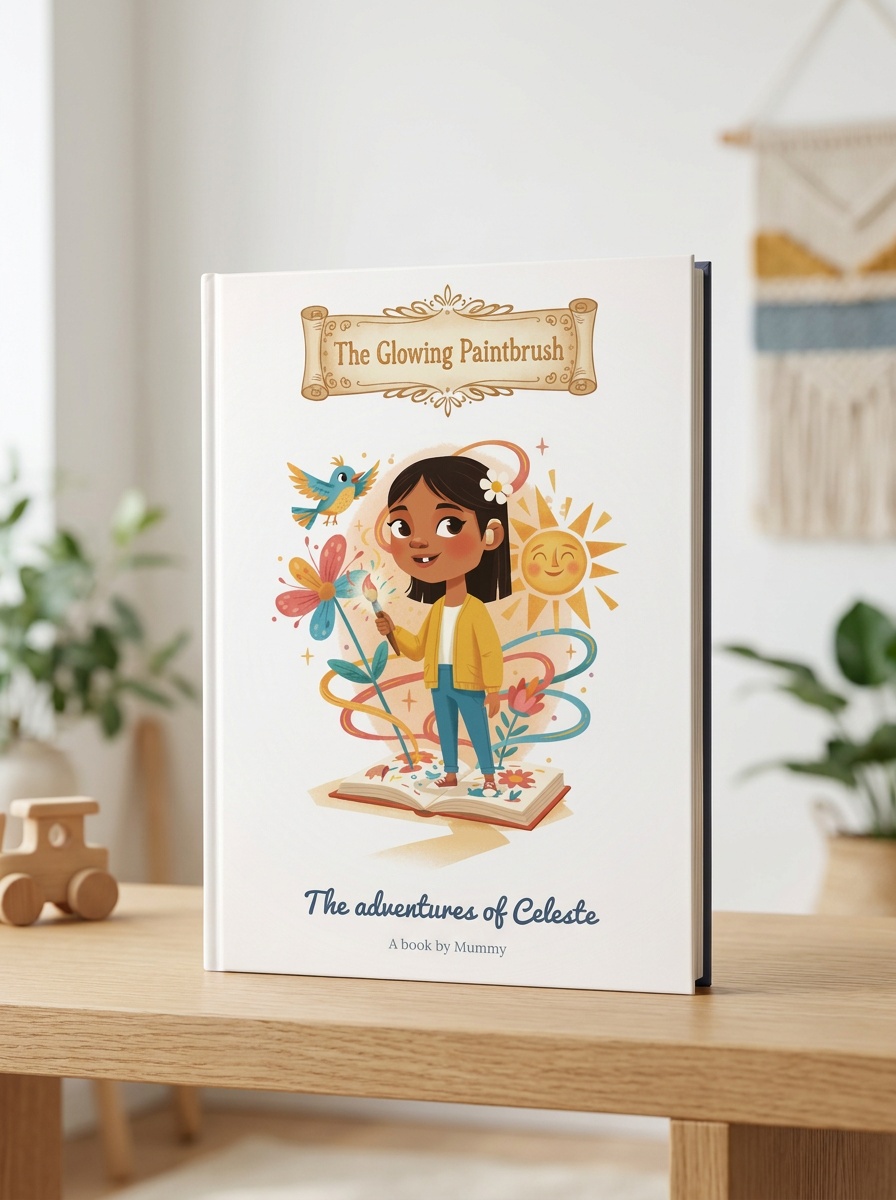
Make a book they will ask for every night
- A new story, written from scratch around them
- Their family, pets and favourite things inside
- Read a free story outline before you pay
- Change any words or pictures until it feels right
32 pages · digital £8.49 · hardback £29.99
An example book. Every title, cover and story is made for one child.
Questions parents ask
What are good riddles for a 5 year old?
Clue riddles work best: 'I am yellow, I am long, monkeys love me. What am I?' From about 5 or 6, simple trick riddles such as 'What has teeth but cannot bite? A comb' start to land.
What is a hard riddle for kids?
Try 'What five-letter word gets shorter when you add two letters?' The answer is short. Riddles that catch adults out are the favourites of 9 and 10 year olds.
How do I help my child solve a riddle?
Read it twice, wait, then give a clue rather than the answer, such as where the thing is found. Praise guesses that make sense even when they are wrong.
How do kids write their own riddle?
Pick an object, write three true things about it that could also fit something else, put the vaguest clue first and the giveaway last, then test it on someone.
Can a Bright Eyed Kid book be a mystery?
Yes. You can tell us your child loves puzzles in the three questions and add a story idea of your own, such as a mystery only they can solve.