How phonics is taught

Every primary school in England uses a phonics programme, and each has its own names and order. Ask your child's teacher which one they use, and how they say the sounds, so home and school match. The broad steps are much the same everywhere:
- Listening (ages 3 to 4): hearing sounds, rhymes and the beats in words, before any letters.
- First sounds (Reception, ages 4 to 5): one letter, one sound, often starting with s, a, t, p, i and n. Then blending them into words like "sat" and "pin".
- Two letters, one sound (Reception into Year 1): sh, ch, th, ng, then ai, ee, oa, oo and more.
- Other ways to write a sound (Year 1, ages 5 to 6): the same sound spelt different ways, like "ai" in rain, "ay" in play and "a-e" in cake.
Say the sound, not the letter name
- Keep sounds short and pure. Say "mmm", not "muh"; "sss", not "suh". The extra "uh" makes blending harder: "cuh-a-tuh" does not sound like "cat".
- Letter names come later. Children learn "a" as the sound in "apple" first. The alphabet song is fine, it is just a different job.
- Tricky words are just tricky. Words like "the", "said" and "was" do not follow the rules yet. Learn them by sight, a few at a time.
Ages 3 to 4: listening games
- Sound walk. Go outside, stand still and count the sounds you hear: a car, a bird, the wind. Then guess sounds made behind your back: keys, a cup, paper.
- Clap the beats. Clap each name in the family: "Sam" is one clap, "Ol-i-ver" is three. Then clap toys and foods.
- Rhyme bag. Put a few toys in a bag. Pull one out and find a rhyme: cat, hat, mat. Silly made-up rhymes count.
- I spy with sounds. "I spy something beginning with sss." Use the sound, never the letter name.
Reception: first sounds and blending
- Robot talk. Talk like a robot: "Get your h-a-t." They blend the sounds and fetch the hat. Then they give you robot orders.
- Sound hunt. Write this week's sounds on sticky notes and hide them round the house. They say each sound as they find it.
- Splat. Lay out sounds on paper. You say a sound and they splat it with a hand or a fly swatter.
- Magnetic letters on the fridge. Make "cat", then swap one letter: "cap", "cup", "pup". Each swap is a new word to read.
- Sound and draw. Write a short word like "pig". They read it and draw it.
Two letters, one sound
- Sound buttons. Write a word and put a dot under each single sound and a line under each pair: in "ship", a line under "sh" and a dot under "i" and "p". Three sounds, four letters.
- Snap with sounds. Make pairs of cards with "ee", "oa", "ch" and so on. Say the sound to win the pair.
- Sound of the day. Choose one, like "oo", and spot it all day: on cereal boxes, signs and in books. Count them at bedtime.

Bright Eyed Kid
A storybook where they star on every page
Written from scratch around your child, with the people and things they love.
Year 1: alien words and the June check
In June of Year 1, children in England read 40 words aloud to their teacher in the phonics screening check. Some are real words and some are made-up "alien" words, so children have to sound them out rather than know them. Children who need more practice take it again in Year 2.
- Alien names. Draw aliens and give them names to read: "Zort", "Blan", "Sheb". Children love making up their own.
- Real or alien? Write a mix of real and made-up words on cards. They read each one and sort it into two piles.
- Same sound, different spelling. Make a word wall for one sound: "ai" in rain, "ay" in day, "a-e" in game. Add a word each day.
- Keep it calm. The school will tell you how it is going. A few minutes of games is plenty; long drills put children off.
Games for the car or a queue
- Sound chains. Say a word; the next person says a word starting with its last sound: "dog", "goat", "tap".
- Odd one out. "Sun, sock, bed: which one starts differently?"
- Robot shopping list. Sound out what you need to buy: "m-i-l-k". They blend it.
Reading the book that comes home
Most schools send home a reading book matched to the sounds your child knows, so they can read nearly all of it alone. Let them read it to you, even if it seems easy: reading it smoothly is the point. Then read them a story of your choosing, full of words they cannot read yet. Both matter. For ideas by age, see books for 4 year olds and books for 5 year olds.
A story that is about them
Children who want to read work harder at the sounds, and few things make a child want to read like a story about themselves. A Bright Eyed Kid book is a new story written around your child, where they star on every page, so it is one they will pore over long before they can read every word.
- About them. You answer three short questions about your child and can add a story idea of your own.
- Family alongside. Up to five co-stars, each with a photo and a name, so a brother, sister or grandparent can be in it too.
- Drawn so they recognise themselves, in one of four picture styles: Playful, Standard, Quirky or Classic.
- Right for their age. The writing changes for every age from 3 to 10.
- You check it first. Read a free story outline before you pay, then change any words or pictures until it feels right.
More short games in spelling games for kids and riddles for kids.
What it costs
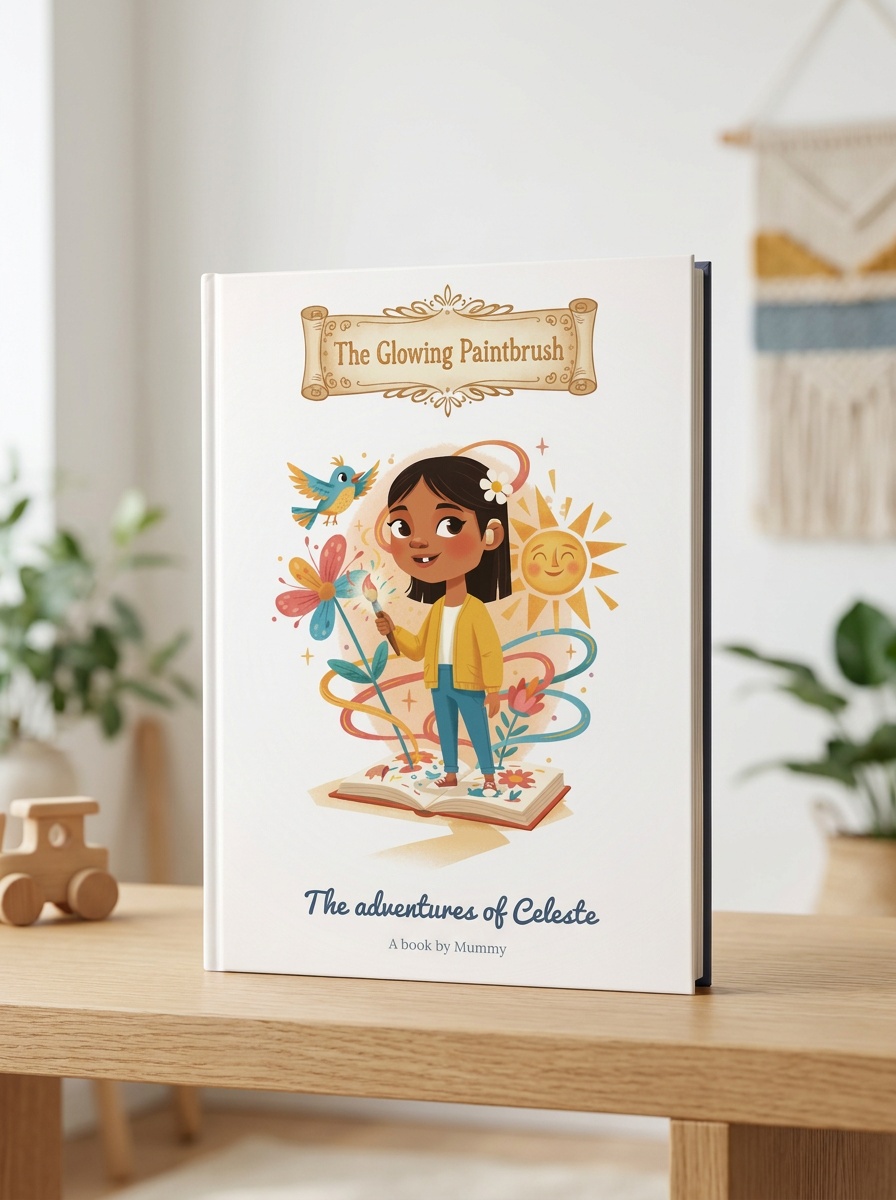
A digital book is £8.49 and a printed hardback is £29.99, plus £2.95 delivery. Every book is 32 pages.
Make a book they will ask for every night
- A new story, written from scratch around them
- Their family, pets and favourite things inside
- Read a free story outline before you pay
- Change any words or pictures until it feels right
32 pages · digital £8.49 · hardback £29.99
An example book. Every title, cover and story is made for one child.
Questions parents ask
What are good phonics games to play at home?
Robot talk, where you say a word in sounds and they blend it; a sound hunt with sticky notes; splat; magnetic letters on the fridge; and for Year 1, reading made-up alien names.
How should I say the sounds when helping with phonics?
Keep them short and pure: 'mmm' not 'muh', 'sss' not 'suh'. Ask your child's teacher how their school says the sounds so home and school match.
What is the Year 1 phonics screening check?
In June of Year 1, children in England read 40 words aloud to their teacher. Some are made-up words, so children have to sound them out. Children who need more practice take it again in Year 2.
What are alien or nonsense words in phonics?
Made-up words like 'zort' or 'blan' that follow the phonics rules. Children cannot know them by sight, so reading them shows they can blend the sounds.
How long should we practise phonics at home?
A few minutes most days is plenty. Short games out loud work better than long sessions, and reading together every day matters as much as the games.