Three rules that make spelling practice work
- Ten minutes, most days. Short and often beats an hour on Sunday night.
- Say the sounds. In UK schools children learn to spell through phonics first, so ask "what sounds can you hear?" before "what letters?"
- Keep it a game. If tears start, stop, and come back tomorrow with a different game.
Reception (ages 4 to 5): sound games
At this age spelling is hearing the sounds in a word and matching letters to them. No pencils needed yet.
- Sound talk. Say a word in sounds, "c-a-t", and let them blend it and point to the cat. Then swap: they sound-talk a word for you.
- Fridge letters. Magnetic letters, three-letter words: build "pin", then change one letter to make "pan", "pen", "tin".
- I spy with sounds. "I spy something beginning with sss," using the sound, not the letter name.
- Letters in the sand. Tip flour or salt on a tray and write letters with a finger. Shake to wipe.
Years 1 and 2 (ages 5 to 7): building words
- Word ladders. Start with "cat" and change one letter at a time: cat, cot, dot, dog. Who can make the longest ladder?
- Sound buttons. Write a word and draw a dot under each sound and a line under sounds made by two letters, such as "sh" or "ee".
- Spelling hopscotch. Chalk letters on the path; they hop the spelling of a word.
- Rainbow writing. Write the word in one colour, then trace over it in every colour they have.
- Tricky word hunt. Write the week's tricky words, such as "said" and "the", on cards and hide them round the house.
Years 3 and 4 (ages 7 to 9): the spelling list
From Year 3, schools in England work through a statutory list of about 100 words for Years 3 and 4, such as "believe", "calendar" and "February". These games suit a weekly list.
- Look, say, cover, write, check. The classic method, and it works: look at the word, say it, cover it, write it, then check.
- Hangman. Use list words only, and let them be the one choosing.
- Silly sentences. Use three list words in one sentence that makes everyone laugh.
- Spot the mistake. You write the list with two errors hidden in it; they mark your work.
- Word in a word. Find small words hiding inside: "believe" has "lie", "separate" has "a rat", "island" has "is land".

Bright Eyed Kid
A storybook where they star on every page
Written from scratch around your child, with the people and things they love.
Years 5 and 6 (ages 9 to 11): harder lists and word puzzles
The Years 5 and 6 list has about 100 more words, such as "necessary", "rhythm" and "conscience".
- Memory hooks. Make up a saying for each tricky word: "necessary" has one collar and two sleeves (one c, two s).
- Word families. Take one word and build out: sign, signal, signature, design. The spelling often makes sense once they see the family.
- Beat the clock. Spell as many list words as possible in one minute, then try to beat their own score tomorrow.
- Family spelling bee. They read words out to you. Grown-ups get the hard ones.
- Board games with letter tiles, played with relaxed rules, or a home crossword using only list words.
Games for the car and the walk to school
- Last letter, first letter. Each word must start with the last letter of the one before.
- Number plate words. Make a word from the letters on a car in front.
- Spell it backwards. For older children: spell a list word backwards out loud.
- Sound count. How many sounds in "street"? Five: s-t-r-ee-t, though it has six letters, because "ee" makes one sound.
A ten-minute weekly routine
- Monday: read the list together, sort the words into easy and tricky.
- Tuesday: look, say, cover, write, check on the tricky ones.
- Wednesday: a game: hangman, hopscotch or silly sentences.
- Thursday: a practice test, with them marking it.
- Friday: nothing. They have done the work.
A sticker for each day done fits neatly on a simple chart; see reward charts for kids.
Reading is the best spelling practice
Children who read a lot see the same words again and again, and spellings settle without drills. The trick is finding books they want to read. A Bright Eyed Kid book is a new story written around your child, where they star on every page, so it is one they will read again and again.
- About them. You answer three short questions about your child and can add a story idea of your own.
- Their name in print. The first word many children learn to spell is their own name, and here it is in a real story.
- Family alongside. Up to five co-stars, each with a photo and a name.
- Drawn so they recognise themselves, in one of four picture styles: Playful, Standard, Quirky or Classic.
- Right for their age. The writing changes for every age from 3 to 10.
- You check it first. Read a free story outline before you pay, then change any words or pictures until it feels right.
Find the right next read in books for 5 year olds, books for 7 year olds and best books for kids.
What it costs

A digital book is £8.49 and a printed hardback is £29.99, plus £2.95 delivery. Every book is 32 pages.
Make a book they will ask for every night
- A new story, written from scratch around them
- Their family, pets and favourite things inside
- Read a free story outline before you pay
- Change any words or pictures until it feels right
32 pages · digital £8.49 · hardback £29.99
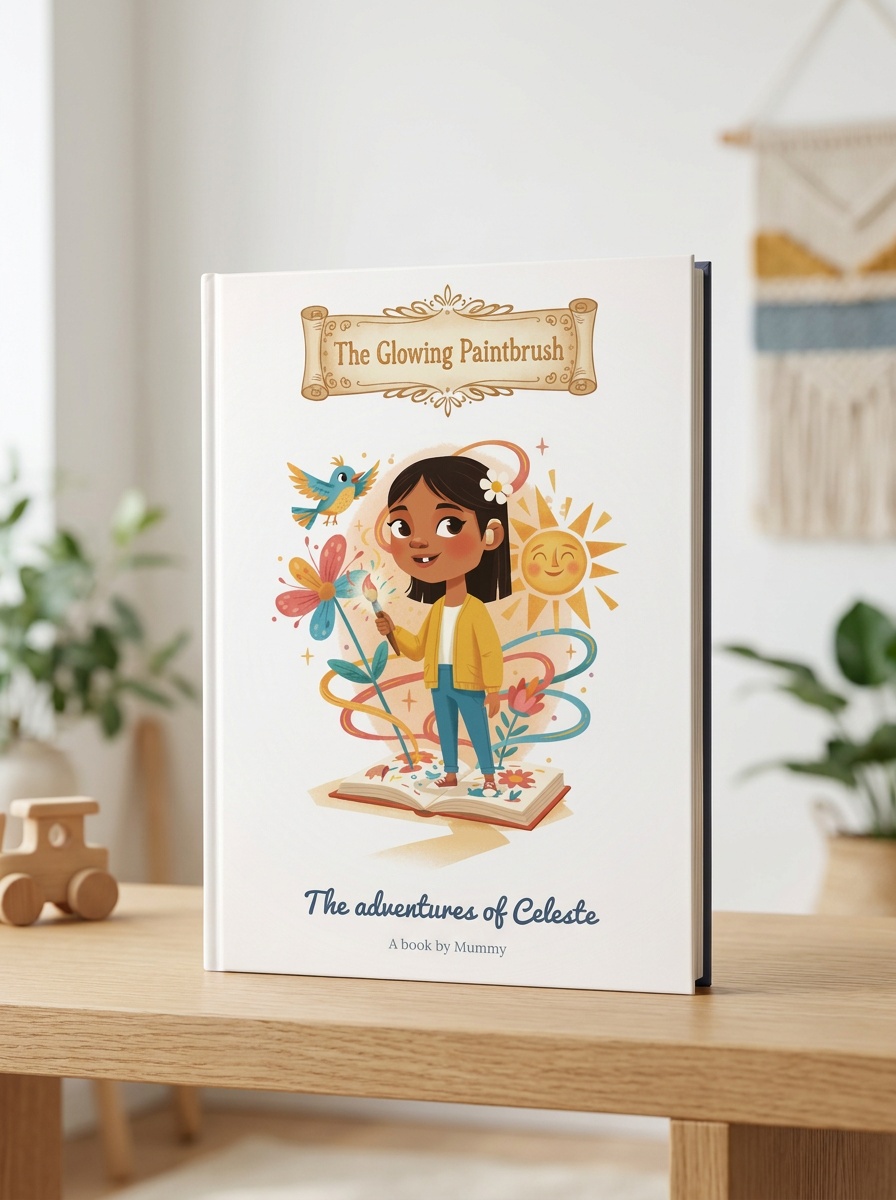
An example book. Every title, cover and story is made for one child.
Questions parents ask
How can I make spelling fun at home?
Keep it to ten minutes, turn it into a game such as word ladders, hangman with list words or spelling hopscotch, and stop before it turns into tears.
What spelling games suit a 5 year old?
Sound games work best: sound talk, I spy using sounds, and changing one magnetic letter to turn 'pin' into 'pan'. Spelling at this age is hearing the sounds in a word.
How do I help my child learn their weekly spelling list?
Sort the words into easy and tricky, use look, say, cover, write, check on the tricky ones, play one game midweek, and let them mark a practice test on Thursday.
What words do children learn to spell in Years 3 to 6?
Schools in England work through a statutory list of about 100 words for Years 3 and 4 and about 100 more for Years 5 and 6, such as 'calendar', 'necessary' and 'rhythm'.
Does reading help with spelling?
Yes. Children who read often see the same words many times, so spellings settle. A book they want to read again, such as one where they star, helps.