What a reward chart is for

A reward chart turns a habit you want into something a child can see. Each sticker says "you did it" without a speech. It works best for building one new habit, such as staying in bed, getting dressed alone or practising reading.
- Short. Two to four weeks for one habit. Then the habit carries itself, or you change the goal.
- Specific. "Stay in bed until the clock goes yellow", not "be good at bedtime".
- Positive. Stickers go on for doing the thing. Nothing comes off for not doing it.
How to make one in five steps
- Choose one goal. Two at most. Write it as something they do, in their words: "I brush my teeth without a fuss."
- Make the chart together. A sheet of paper, their drawing at the top, seven boxes for the week. A chart they made is a chart they care about.
- Agree the reward before you start. Say how many stickers earn it, and write the reward on the chart.
- Give the sticker straight away. At the moment it happens, with a short, specific "well done for getting dressed by yourself".
- Put it where they pass it. The fridge, the back of the bedroom door, by the toothbrushes.
Reward charts by age
- 3 to 4: the sticker is the reward. At this age the sticker itself is exciting. Keep the chart tiny: five boxes, a small treat when it is full. Use a picture of the goal rather than words, such as a toothbrush or a bed.
- 5 to 6: a row to fill. They can wait a little longer, so a week of boxes works. Charts at school are familiar, so they understand it straight away. Good goals: getting ready for school, reading to you for five minutes, trying a new food.
- 7 to 8: points and choice. Swap stickers for points or ticks, and give a menu of rewards to save up for. They like to plan and count. Good goals: practising an instrument, unpacking the school bag, getting to bed on time.
- 9 to 10: a deal, not a chart. A visible tally still helps, but call it a goal tracker and let them design it. Agree the goal together and let them tick it off themselves. Good goals: reading every night, jobs around the house, handing back a screen without a fuss.
Good goals for a first chart
- Staying in bed all night
- Getting dressed before breakfast
- Brushing teeth twice a day
- Reading together every evening
- Tidying toys before tea
- Trying one bite of something new
- Being kind to a brother or sister
Pick the one that would make the biggest difference to your day. The rest can wait for the next chart.

Bright Eyed Kid
A storybook where they star on every page
Written from scratch around your child, with the people and things they love.
Rewards that are not sweets
- Time with you. A trip to the park, choosing the film, baking together, an extra story at bedtime. Often the reward they want most.
- Being in charge. Choosing tea on Friday, picking the music in the car, deciding the weekend walk.
- A small thing to keep. A new pencil, a bookmark, a pack of cards, a book from a charity shop.
- A little later. Fifteen minutes more before lights out on a Saturday.
- Something big to save for. For older children, a day out or a book they really want, worth several weeks of points.
Keep rewards small enough to give often. A chart that takes a month to earn anything loses a young child in the first week.
Keeping it working
- Never take a sticker back. A bad afternoon does not undo a good morning.
- Make the first reward easy. Early success shows them the chart is real.
- Praise the effort as well as the sticker. "You stayed in bed even when you heard us downstairs" teaches more than the sticker does.
- Be consistent. The same rules at Grandma's, on holiday and on busy days. Tell other carers how it works.
- Brothers and sisters. One chart each, each with their own goal, so nobody is racing anybody else.
When to stop
A chart has done its job when the habit happens without it. Give it a proper ending rather than letting it fade on the fridge.
- Celebrate the last sticker. Make the final reward a small event.
- Space it out. Move from a sticker every time to a sticker every few days, then a check-in at the weekend.
- Keep the chart. A finished chart in a drawer is something they will be proud to find later.
- Start the next one later. Give it a week or two before a new goal, so charts stay special.
A book as the big reward
For a goal that takes weeks, such as a month of reading every night, the reward at the end should feel like a real occasion. A book where they star is a reward that says "this is about you".
A Bright Eyed Kid book is a new story written from scratch around your child, and they star on every page.
- It can be about what they achieved. You answer three short questions about your child, and you can add a story idea of your own, such as the brave night they slept in their own bed.
- They can see it is them. They are drawn from one clear photo, in one of four picture styles: Playful, Standard, Quirky or Classic.
- Their people are in it. Up to five co-stars, each with a photo and a name: the sister who cheered them on, the grandad who checked the chart.
- It reads right for their age. The writing changes for every age from 3 to 10.
- You see it first. Read a free story outline before you pay, then change any words or pictures until it feels right.
A reading chart and a book of their own make a good pair: the habit, then the book they cannot wait to read. More in a bedtime routine for kids and best books for kids.
What it costs

A digital book is £8.49 and a printed hardback is £29.99, plus £2.95 delivery. Every book is 32 pages.
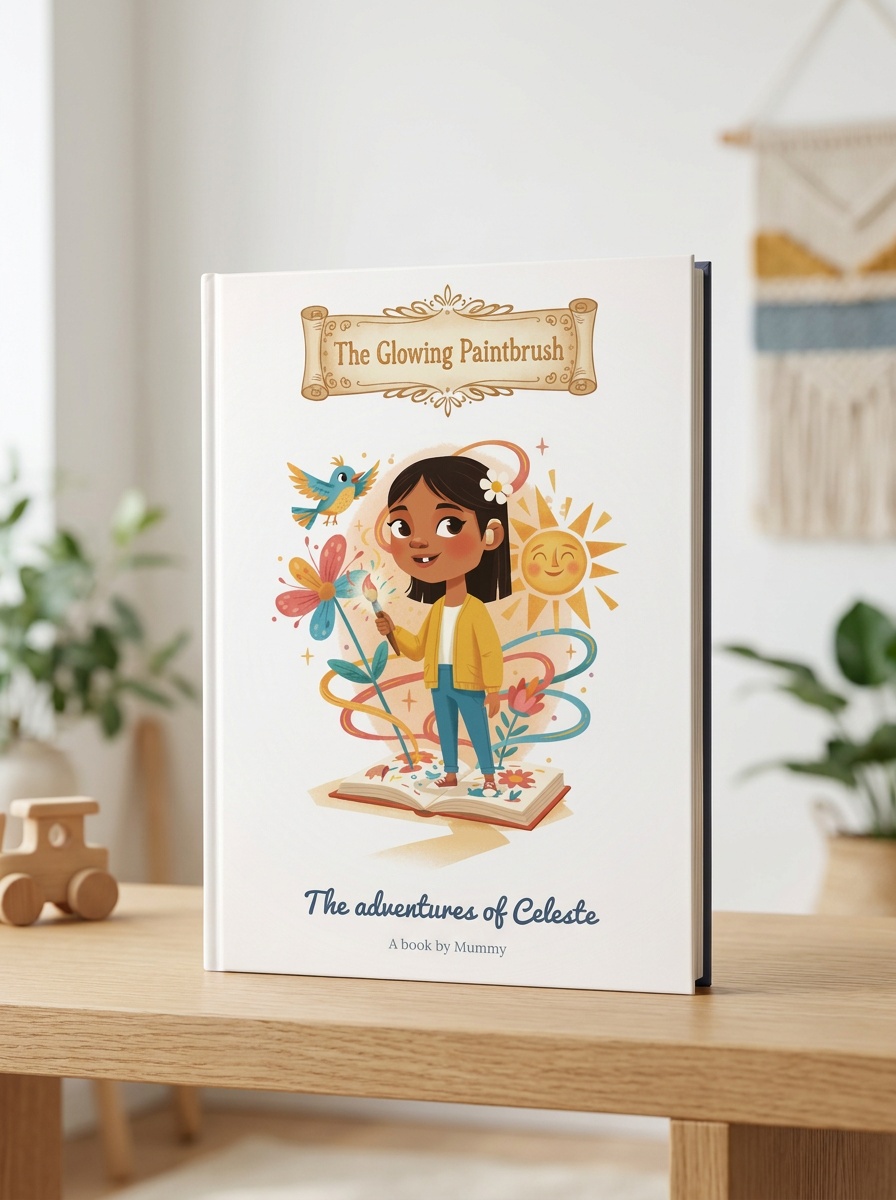
Make a book they will ask for every night
- A new story, written from scratch around them
- Their family, pets and favourite things inside
- Read a free story outline before you pay
- Change any words or pictures until it feels right
32 pages · digital £8.49 · hardback £29.99
An example book. Every title, cover and story is made for one child.
Questions parents ask
What age is a reward chart for?
Most children understand a sticker chart from about three. At nine and ten, call it a goal tracker and let them design it and tick it off themselves.
How long should a reward chart last?
Two to four weeks for one habit. Then the habit usually carries itself, and you can space the stickers out before stopping.
Should you take stickers off a reward chart?
No. Stickers go on for doing the thing and never come off. A bad afternoon does not undo a good morning.
What are good rewards that are not sweets?
Time with you, being in charge of something small, a book or a bookmark, or fifteen minutes later to bed on a Saturday. Older children can save points for something bigger.
Can a Bright Eyed Kid book be a reward?
Yes. It is a 32-page story written around your child, and you can add a story idea of your own, such as the goal they reached.