Make it tiny
The single best trick is size. A fairy's letter should look like it came from someone very small.
- Cut the paper small, about the size of a playing card or less.
- Write in tiny, curly letters, or in silver or gold pen.
- Use your other hand, or write in capitals, if your child knows your writing.
- Fold it small, seal it with a dot of glue or a sticker, and add a pinch of glitter for fairy dust.
- Roll it up like a scroll and tie it with thread.
The first tooth letter
The first one is the one they will keep. It is worth a little more care.
- Say thank you, and say how special a first tooth is.
- Mention one true thing about them: how brave they were when it wobbled, how well they brush, how kind they were to their sister this week.
- Give them a small piece of fairy world to imagine, like where the tooth is going.
- Sign it with a fairy name, and use the same one every time.
An example to adapt
Dear Maya, thank you for your very first tooth. It is one of the shiniest I have collected all year, so I can tell you have been brushing every morning and every night. It will go in the window of the new tower I am building. Keep smiling that gappy smile. With love and a sprinkle of dust, Twinkle.
The teeth after
Children lose twenty baby teeth. Do not use all your best ideas on the first one.
- Keep it short. One line and a signature is plenty.
- Add a small joke or a clue about fairy life.
- Number them: "Tooth number seven. You are catching up with your big brother."
- If they write to the fairy, always write back.
Short note ideas
- Another beauty. The other fairies are very jealous.
- This one is going on the roof of my house. Only three more tiles to go.
- I nearly got caught by your cat tonight. Please tell her I am a friend.
- Sorry the writing is wobbly. I am using a pencil made from a grass seed.
When your child writes first
Writing to the tooth fairy is brilliant practice for early writers in Reception and Year 1. Give them a small piece of paper and let them ask anything. Common questions are her name, her age and whether she has a pet. Answer every question, however odd, and keep your answers consistent, because they will remember. If they ask to keep the tooth, the fairy can leave the coin anyway and say she will visit it instead.
Little extras that add magic
- A trail of glitter from the window to the pillow. Fine glitter is hard to clear, so a few sequins may be kinder to your carpet.
- A tiny footprint drawn with a fingertip of flour on the windowsill.
- A "tooth certificate" for the first one, with the date and their age.
- A tooth pillow or small pouch so the tooth is easy to find in the dark.
- A swap of the coin for something small and shiny, like a new coin or one wrapped in foil.

Bright Eyed Kid
A storybook where they star on every page
Written from scratch around your child, with the people and things they love.
When things go wrong
- The fairy forgot. Leave a note the next night: "So sorry, there was a storm over your street and I had to wait." Or say she only comes once you are deeply asleep.
- The tooth got lost or swallowed. Ask them to write a note explaining what happened. She knows, and she still comes.
- Staying at Granny's. The fairy always knows where children sleep.
- A tooth pulled at the dentist. It still counts. Many children get a special note for being brave.
Answers to the questions they ask
- What does she do with the teeth? Many families say she builds a castle with the shiniest ones.
- How does she get in? Through the smallest gap: a keyhole, a crack under the door.
- Does she come to every house? Yes, and she never gets tired.
- Why does my friend get more money? Each fairy has her own way of doing things, and every tooth is just as precious.
- Is she real? Many parents turn it back to the child: "What do you think?" Their answer tells you whether they want the magic to carry on.
Keeping the keepsakes
- Keep the first letter in a small envelope with the date on it.
- A memory box for teeth, notes and certificates is a lovely thing to look back on.
- Write down the funny things they said about the fairy. You will forget.
What to avoid
- Big promises in the first letter that you then have to keep up twenty times.
- Making the money the main event. The note is what they will remember.
- Leaving clues that are clearly from your own desk drawer, like your usual sticky notes.
Love writing letters from magical visitors? See our guides to a letter from Santa and Elf on the Shelf ideas.
A tooth fairy story where they star
The tooth fairy is a story children already half believe, so a book that takes it further is a real treat at five or six, when the first teeth wobble. In a Bright Eyed Kid book you can add your own story idea, such as the night the tooth fairy needed their help to finish her castle, and the story is written around it.
Your child stars on every page, looking like themselves, gap and all. A brother, sister or pet can join the adventure, and the writing suits their age.
What it costs
A digital book is £8.49 and a printed hardback is £29.99, plus £2.95 delivery. Every book is 32 pages.
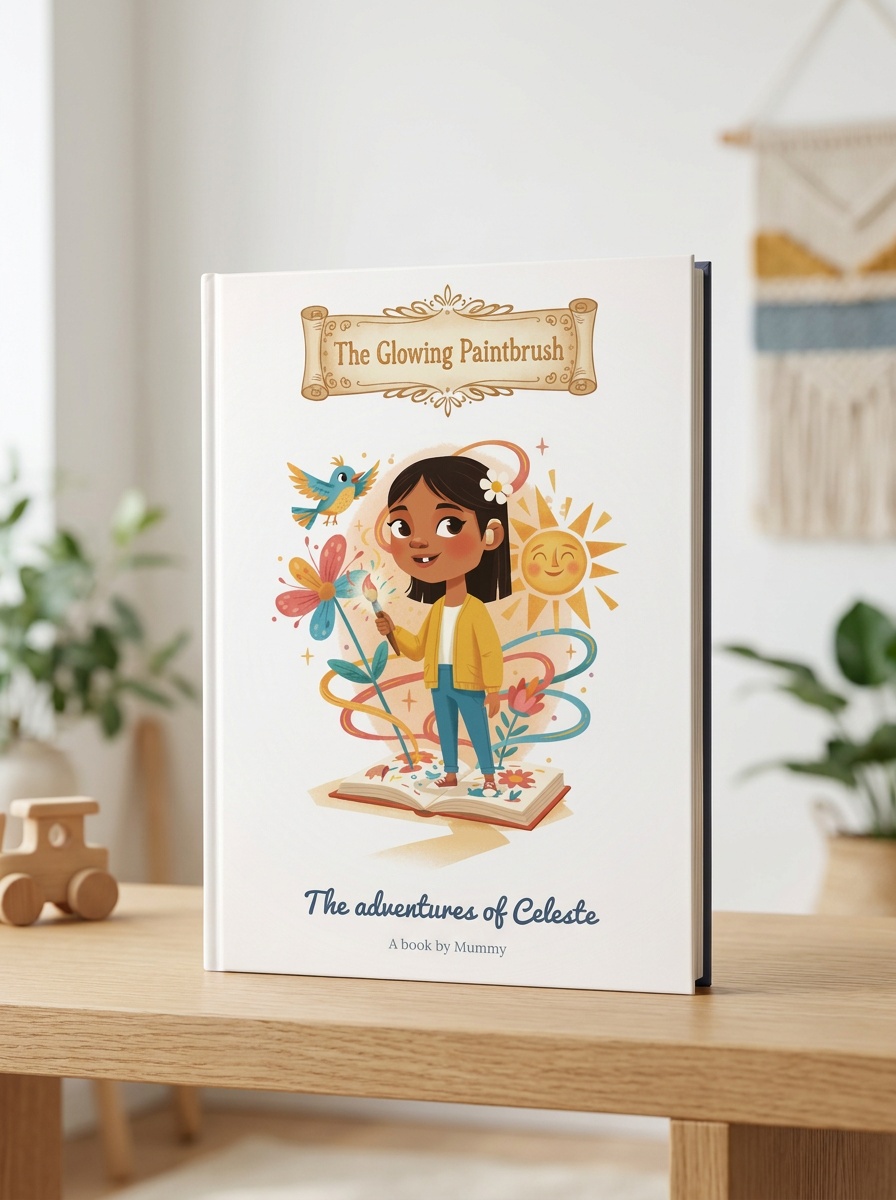
Make a book they will ask for every night
- A new story, written from scratch around them
- Their family, pets and favourite things inside
- Read a free story outline before you pay
- Change any words or pictures until it feels right
32 pages · digital £8.49 · hardback £29.99
An example book. Every title, cover and story is made for one child.
Questions parents ask
What should a tooth fairy letter say?
Thank them for the tooth, say one true thing about them, add a little detail about fairy life, and sign it with a fairy name. Keep later notes to a line or two.
How do you make a tooth fairy letter look real?
Make it tiny, write in small curly letters or metallic pen, use different handwriting from your own and fold it with a pinch of glitter.
What if the tooth fairy forgets to come?
Leave a note the next night with a reason, such as a storm over the street, and a small extra for the wait.
What if my child loses the tooth before the tooth fairy comes?
Let them write a note to the fairy explaining what happened, and leave a reply under the pillow.
What age do children lose their first tooth?
Most children lose their first tooth at around five or six, though a little earlier or later is common.
Can a Bright Eyed Kid book be about the tooth fairy?
Yes. You can add your own story idea, and the story is written around it with your child starring on every page.