Before you start

- Pick a calm evening. A first cook takes twice as long. Weekends or a day off school work best.
- Get everything out first. Ingredients and tools on the table before anyone starts, like a cooking show.
- Wash hands, tie hair back, sleeves up. Make it the same three steps every time.
- A stool, not a stretch. A steady step so they can see into the bowl.
- You stay at the hob and oven. Children help with what goes in; an adult does the heat until they are older.
Knife skills to teach first
Many UK schools teach two simple holds, and they are worth learning at home with a small knife and an adult beside them:
- The bridge. Hold the food with thumb and fingers either side, making an arch, and cut through the gap. Good for halving tomatoes or cutting an apple.
- The claw. Curl the fingertips under, like a claw, so the knuckles guide the blade. Good for slicing peppers or mushrooms.
Start with soft things: banana, mushroom, cooked potato. Move to harder vegetables once the holds are steady.
A week of teas they can make
- Monday: wrap night. Warm wraps, grated cheese, sliced peppers, chicken or beans. They prepare the fillings and roll their own. Jobs: grating, slicing with the bridge, spooning.
- Tuesday: pitta pizzas. Pitta breads, a spoon of passata, cheese and toppings. They build them, you put them in the oven for about 8 minutes. Jobs: spreading, scattering, counting toppings.
- Wednesday: pasta with a no-cook sauce. While you boil the pasta, they mash a tin of tuna with sweetcorn and a little mayonnaise, or stir pesto into crème fraîche. Jobs: opening, mixing, tasting.
- Thursday: homemade burgers. Mince, a little grated onion, a pinch of herbs. They squash and shape the patties; you cook them. Wash hands after handling raw meat. Jobs: measuring, squashing, shaping.
- Friday: fish finger sandwiches. They make a quick dip with yoghurt and chopped gherkin, butter the bread and build the sandwich. Jobs: chopping with the claw, stirring.
- Saturday: jacket potato bar. Baked potatoes and bowls of beans, cheese, coleslaw and tuna. They make the coleslaw by grating carrot and mixing it with shredded cabbage and yoghurt. Jobs: grating, mixing, serving.
- Sunday: eggy bread or an omelette. They crack and whisk the eggs (cracking into a cup first catches any shell). From about 8, many can cook it at the hob with you beside them.
Pick two or three to try, not all seven. Repeating a meal until they can nearly do it alone builds more confidence than something new every night.
What each age can do
- 3 to 4: washing vegetables, tearing lettuce, spooning, stirring cold mixtures, sprinkling cheese, counting toppings.
- 5 to 6: cracking eggs, grating with an adult watching, spreading, cutting soft food with the bridge, weighing on digital scales.
- 7 to 8: the claw, reading a simple recipe step by step, measuring with spoons, simple jobs at the hob with an adult beside them.
- 9 to 10: following a whole recipe with you nearby, using the oven with oven gloves, planning one family tea a week.
Go by your child, not the number. Some seven year olds are careful with a knife and some ten year olds are not ready yet.

Bright Eyed Kid
A storybook where they star on every page
Written from scratch around your child, with the people and things they love.
Getting a fussy eater to cook
- Let them choose one thing. Which topping, which vegetable, which shape of pasta.
- Taste as you go. A tiny taste of each ingredient is easier than a full plate.
- Build-your-own meals (wraps, pizzas, potato bars) let them leave out what they dislike without a fuss.
- Name it after them. "Ella's famous coleslaw" gets eaten.
A recipe book of their own
Every time they make something they like, they write it up: the name, what goes in, three or four steps, and a drawing of the finished plate. Keep the pages in a ring binder. By the end of the year it is a cookbook they made, with their spelling and their drawings, and grandparents love to be given a copy.
For sweet things, see baking with kids.
A story where they run the kitchen
A child who loves cooking can star in a book about it. A Bright Eyed Kid book is a new story written around your child, where they star on every page.
- About what they love. You answer three short questions about your child, and can add a story idea of your own, such as a café they run or a feast for the whole street.
- The family is in it. Up to five co-stars, each with a photo and a name, so the sibling who peels the potatoes gets a part too.
- Drawn so they recognise themselves, in one of four picture styles: Playful, Standard, Quirky or Classic.
- Right for their age. The writing changes for every age from 3 to 10.
- You check it first. Read a free story outline before you pay, then change any words or pictures until it feels right.
More ideas in rainy day activities for kids, sleepover ideas and gifts for kids.
What it costs
A digital book is £8.49 and a printed hardback is £29.99, plus £2.95 delivery. Every book is 32 pages.
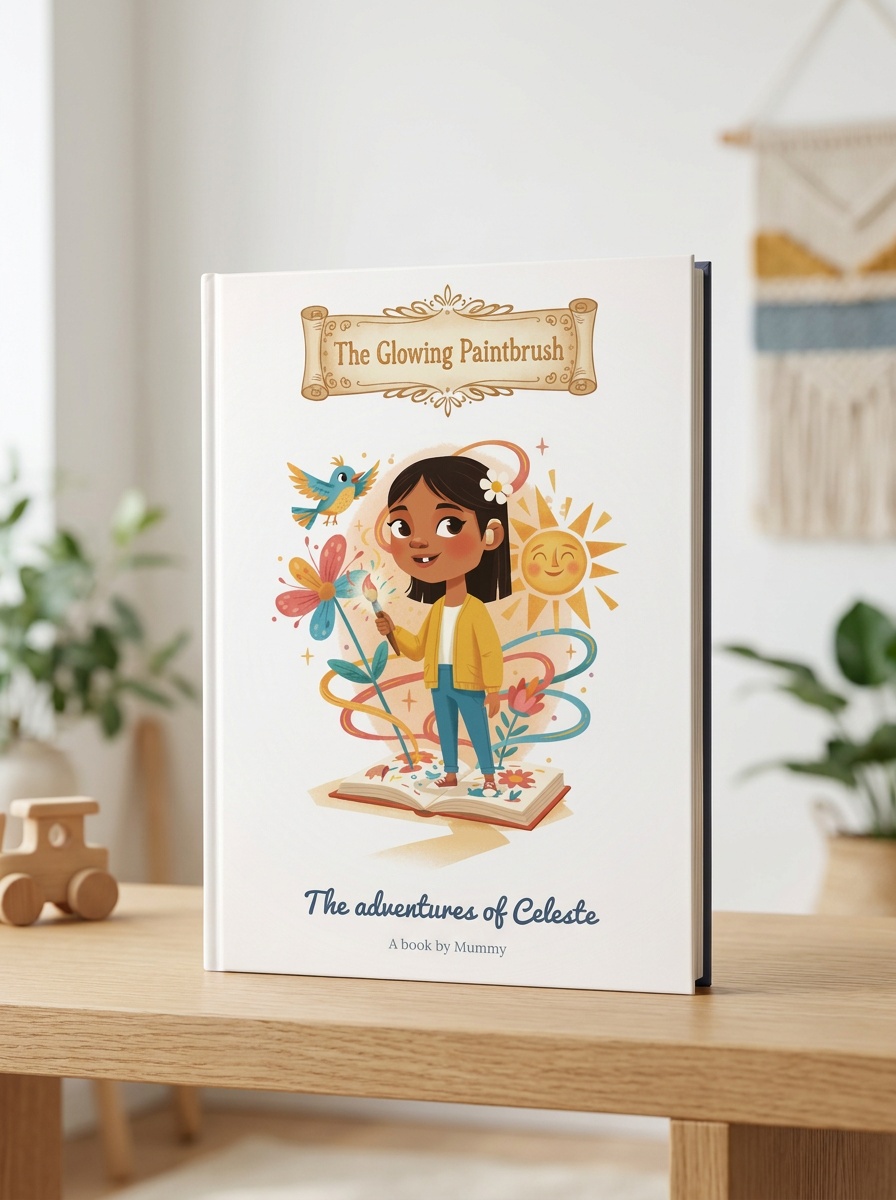
Make a book they will ask for every night
- A new story, written from scratch around them
- Their family, pets and favourite things inside
- Read a free story outline before you pay
- Change any words or pictures until it feels right
32 pages · digital £8.49 · hardback £29.99
An example book. Every title, cover and story is made for one child.
Questions parents ask
What can kids cook for tea?
Build-your-own meals work best: wraps, pitta pizzas, jacket potato bars and homemade burgers. Children prepare the fillings and toppings while an adult handles the oven and hob.
At what age can a child use a knife?
Many children can cut soft food such as banana or mushroom with a small knife from about 5, using the bridge hold, with an adult beside them. The claw hold for slicing usually comes from about 7.
What are the bridge and claw knife holds?
The bridge holds food with thumb and fingers making an arch and cuts through the gap. The claw curls the fingertips under so the knuckles guide the blade. Both keep fingers away from the knife.
How do I get a fussy eater to try new food?
Let them cook it. Children who choose a topping, taste as they go and build their own plate are often more willing to eat what they made.
Can a Bright Eyed Kid book be about cooking?
Yes. You can add a story idea of your own, such as a café your child runs, and up to five family members or friends can be co-stars.