One pattern: five small parts
Pick one from each and the lunch is done. Swapping a single part each day is enough to keep it interesting.
- Something filling: a sandwich, a wrap, pasta salad, a cheese scone, a cold slice of homemade pizza.
- Something with protein: cheese, a boiled egg, chicken, hummus, beans, tuna.
- A vegetable: cucumber, carrot or pepper sticks, cherry tomatoes cut in quarters, sweetcorn, peas.
- A fruit: grapes cut lengthways, a satsuma, apple slices, berries, a banana.
- A small extra: a few crackers, plain popcorn, a mini flapjack, a yoghurt.
Add a bottle of water and that is a lunch. The NHS Eatwell Guide is built on the same idea of a mix of food groups, so it is a pattern you can trust.
A week with no repeats
- Monday, picnic plate: crackers, cheese cubes, cucumber, grapes, a few breadsticks. Nothing to make, just pack.
- Tuesday, wrap day: a tortilla rolled round chicken or hummus and grated carrot, cut into pinwheels. A satsuma and a yoghurt.
- Wednesday, pasta pot: last night's pasta, cold, with sweetcorn, peas and a little cheese. Apple slices squeezed with lemon so they stay pale.
- Thursday, the bake: a cheese and courgette muffin or a cheese scone made at the weekend. Pepper sticks and berries.
- Friday, their choice: they plan it with you on Thursday night using the five parts. It is often the day they eat best.
Most of these use food you cook anyway. For dinners that make good next-day lunches, see kids recipes.
What children can pack themselves
- Ages 3 to 4 (nursery): choose between two fruits, put the crackers in the box, press the lid shut. Small choices, big pride.
- Ages 5 to 6 (Reception and Year 1): wash fruit, pack each part into its corner, fill the water bottle, spread a soft filling with a blunt knife.
- Ages 7 to 8: make a whole sandwich or wrap, choose all five parts from a list on the fridge, wipe the box out after school.
- Ages 9 to 10: pack the whole lunch the night before, with you checking the five parts, and write the shopping list for the week's lunches.
A list on the fridge with options under each of the five parts turns packing into a game. Let them draw the pictures for it.
Keeping it fresh until lunchtime
- A cool pack or a frozen bottle. Freeze a water bottle half full overnight and top it up in the morning. It keeps the box cold and has thawed by lunch.
- An insulated bag helps in warm classrooms, especially for cheese, meat and yoghurt.
- Pack it cold. Let anything cooked cool fully in the fridge before it goes in.
- Wet things apart. Keep tomatoes and dips away from bread so nothing goes soggy. Boxes with sections help.

Bright Eyed Kid
A storybook where they star on every page
Written from scratch around your child, with the people and things they love.
Check the school's rules
- Nut-free schools. Many schools ask for no nuts at all, including peanut butter and some spreads and bars. Read the labels.
- Grapes and cherry tomatoes should be cut lengthways into quarters for young children. Many schools ask for this too.
- Sweets and fizzy drinks are not allowed in many school lunches. Check the letter at the start of the year.
- Allergies in the class. If a classmate has a serious allergy, the school will tell you what to leave out.
When it comes home uneaten
- Ask, without fuss, what was hard: often the box is tricky to open, lunch is short, or they were busy talking.
- Smaller portions. A lunch that looks manageable gets eaten. Choose a box they can open alone, and practise at home.
- One new thing beside two safe ones. New foods go down better next to favourites.
- Finger food wins. Things they can eat while chatting, without cutlery, come back eaten.
- Let them choose Friday. Children eat what they picked.
Small touches
- A lunch box note. A doodle, a "good luck in the spelling test", or a joke with the answer on the back. Ideas in jokes for kids and riddles for kids.
- A fact of the day to tell their friends, from fun facts for kids.
- Cut shapes. A cookie cutter on a sandwich takes ten seconds and gets it eaten.
- A themed day. Everything orange, a lunch from their favourite story, or a picnic for a teddy on a school trip day.
A story to talk about at lunch
The best lunch box notes are the ones about them. A Bright Eyed Kid book is a new story written around your child, where they star on every page. A line from it on a lunch box note, or "what happens next?" at teatime, gives the whole family something to talk about.
- About them. You answer three short questions about your child and can add a story idea of your own, even one about their favourite food.
- Family alongside. Up to five co-stars, each with a photo and a name, so a brother, sister or grandparent can be in it too.
- Drawn so they recognise themselves, in one of four picture styles: Playful, Standard, Quirky or Classic.
- Right for their age. The writing changes for every age from 3 to 10.
- You check it first. Read a free story outline before you pay, then change any words or pictures until it feels right.
What it costs
A digital book is £8.49 and a printed hardback is £29.99, plus £2.95 delivery. Every book is 32 pages.
Make a book they will ask for every night
- A new story, written from scratch around them
- Their family, pets and favourite things inside
- Read a free story outline before you pay
- Change any words or pictures until it feels right
32 pages · digital £8.49 · hardback £29.99
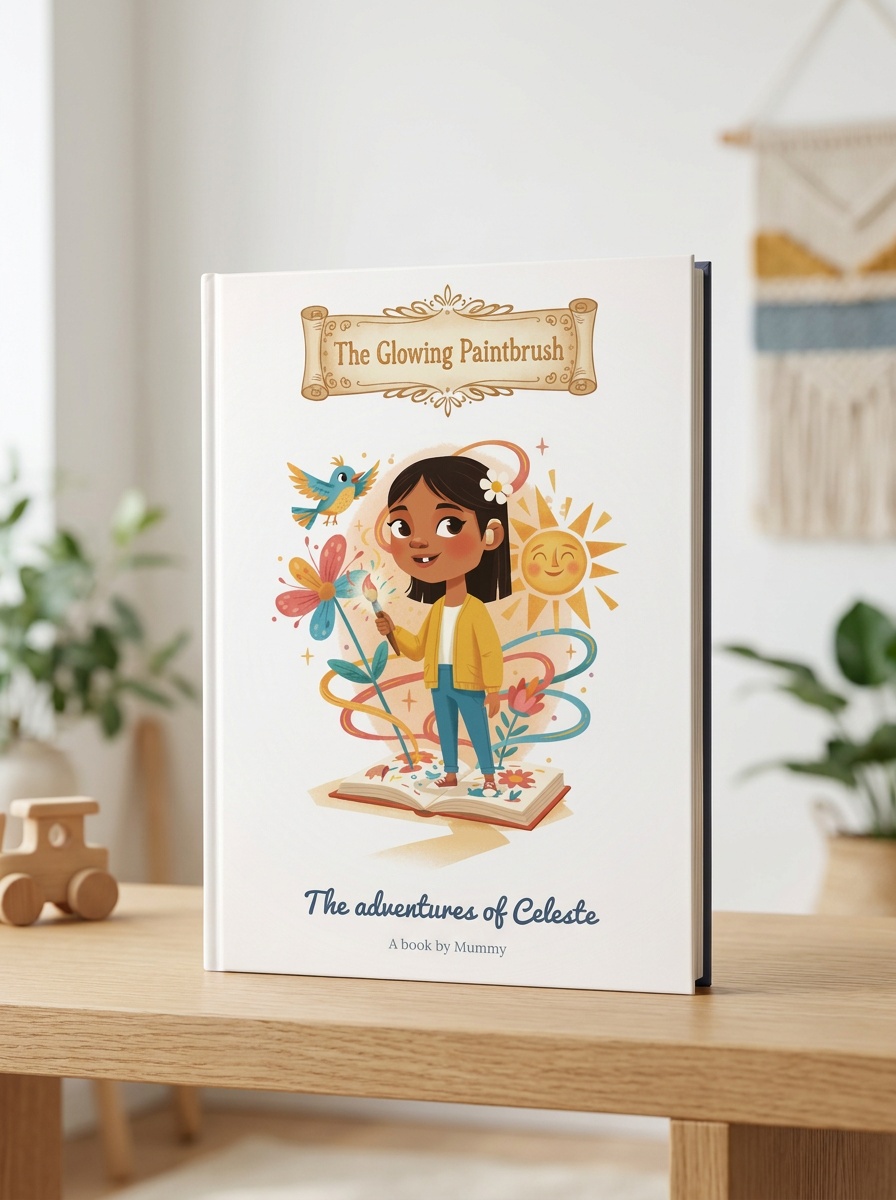
An example book. Every title, cover and story is made for one child.
Questions parents ask
What should I put in my child's lunch box?
Five small parts: something filling like a sandwich or pasta, some protein like cheese or egg, a vegetable, a fruit and a small extra, with a bottle of water. Swap one part each day to keep it interesting.
How do I keep a packed lunch cold?
Use a cool pack or freeze a water bottle half full overnight, top it up in the morning, and pack it in an insulated bag. Let anything cooked cool fully in the fridge first.
What can I give a fussy eater for lunch?
Small portions of finger food, one new thing next to two foods they already like, and a box they can open by themselves. Letting them choose one day's lunch helps too.
Can my child make their own packed lunch?
Yes, with help to match their age: choosing and packing at 3 to 4, washing fruit and spreading at 5 to 6, making a whole sandwich at 7 to 8, and packing the whole lunch the night before at 9 to 10.
What foods are not allowed in school lunch boxes?
It depends on the school. Many are nut-free and do not allow sweets or fizzy drinks, and many ask for grapes and cherry tomatoes to be cut lengthways. Check your school's letter or website.